Why Pilates Deserves a Spot in Your Weekly Routine
Billy Park
·
This is general fitness guidance, not medical advice. If you have an existing condition, an injury, or you have not exercised regularly in some time, talk to a doctor before starting Pilates.
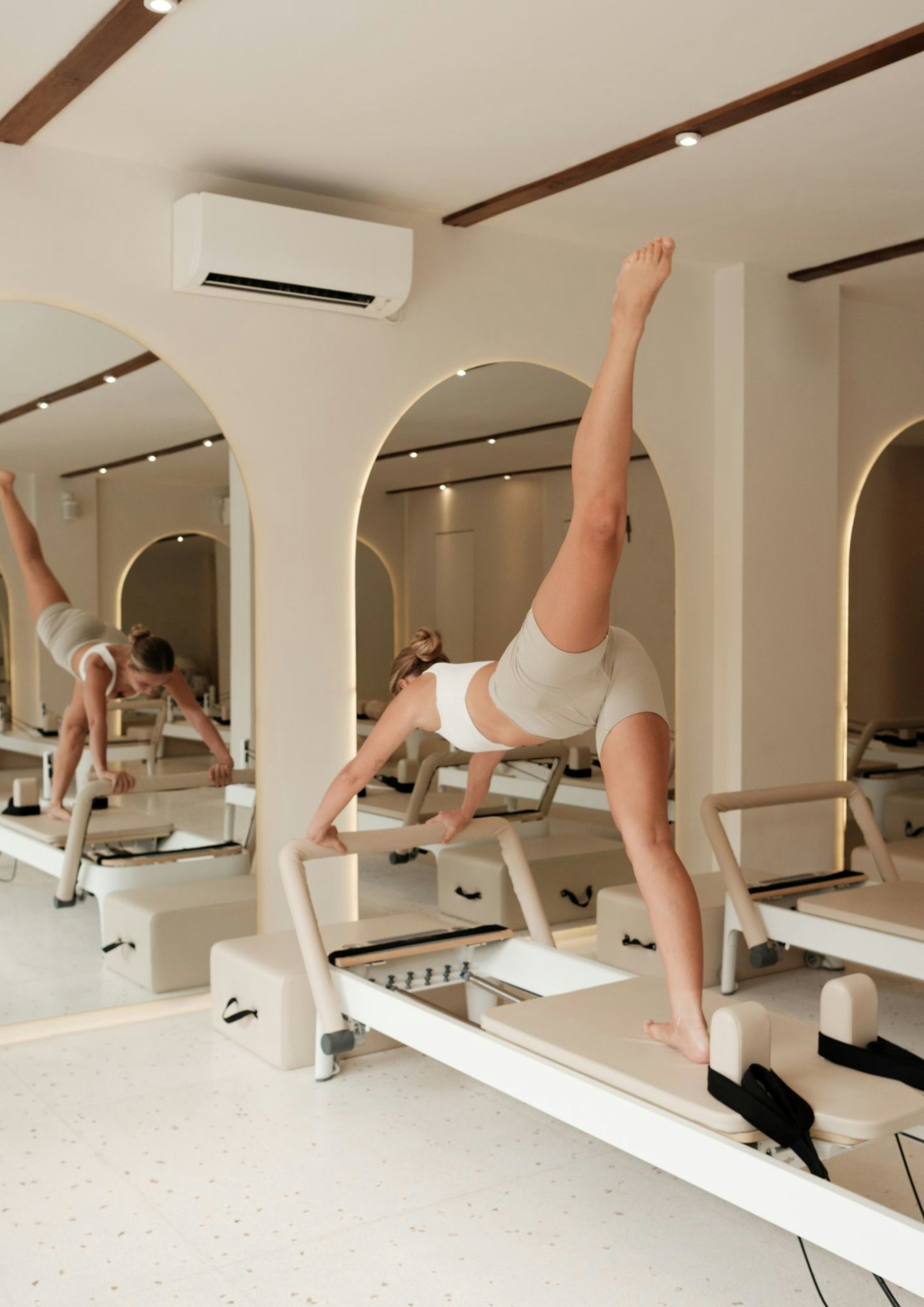
If you’ve walked past a Pilates studio lately, you’ve probably seen the marketing: long, lean lines, flat abs, a certain “Pilates body.” It’s an easy story to sell, and it’s also the wrong reason to start. The real case for Pilates has nothing to do with how you look in a mirror and everything to do with how your body actually functions — how it moves, how it holds itself up, and how well it holds together over the next twenty or thirty years.
Here’s what’s actually worth knowing before you commit to a mat or a reformer.
1. It’s About How Your Body Works, Not How It Looks
Pilates was originally developed as a rehabilitation method — a way to rebuild strength and control after injury, not a way to chase an aesthetic. That origin still shows up in what the practice actually trains: core stability, spinal alignment, joint control, and the small stabilizing muscles that everyday workouts tend to skip entirely.
The visible changes — better posture, a flatter stomach, a more “put-together” way of carrying yourself — are real, but they’re a side effect of a body that’s working correctly, not the goal itself. If you walk in chasing a look, you’ll quit the moment the look doesn’t show up fast enough. If you walk in for better posture, less back pain, and a stronger core, you’ll actually stick with it — and the aesthetic benefits show up anyway.
2. One-on-One Is Ideal — But Group Classes Are Genuinely Good Enough
If you can afford private, one-on-one sessions with a trainer, take them, especially early on. Pilates is a technical practice: the benefit comes almost entirely from precise form, breath control, and small adjustments that a trainer can catch in real time. A 1:1 session means every cue is tailored to your body, your imbalances, and your pace.
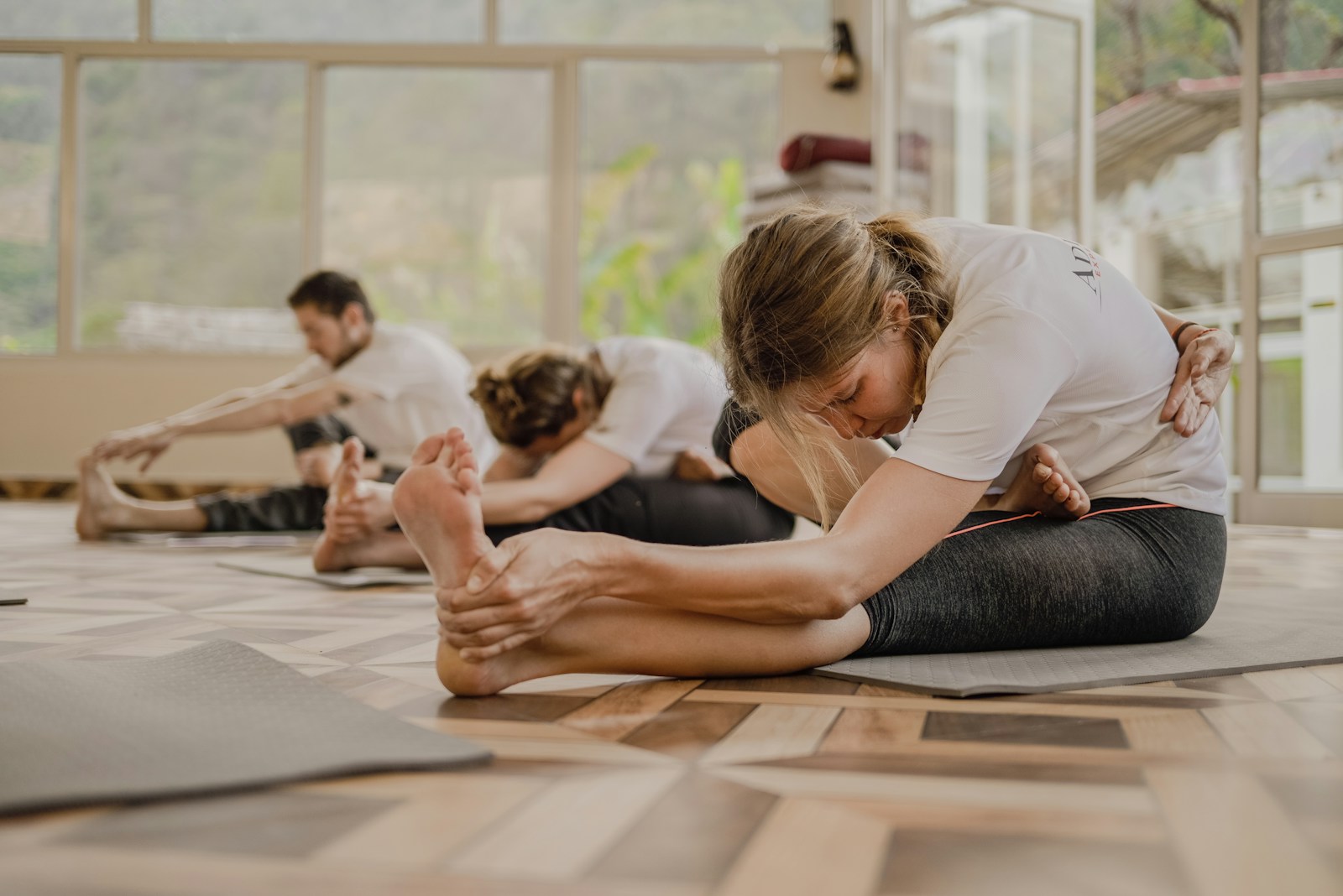
That said, don’t let “1:1 or nothing” talk you out of starting. A well-run group class, especially in a small studio with an instructor who actually walks the room and corrects form, delivers most of the same benefit. You lose some personalization, but you gain consistency, a lower price point, and — for a lot of people — the motivation that comes from a shared class environment. Start in a group setting if that’s what’s accessible, and consider a handful of private sessions later to fine-tune your form.
3. It’s Not Cheap — But It’s Worth Budgeting For
Let’s be honest about the cost. Pilates, especially reformer-based Pilates, is more expensive than a standard gym membership, and private sessions can add up fast. This is a legitimate barrier, and it’s fair to weigh it carefully.
But it’s worth framing the cost correctly: you’re not paying for an hour of exercise, you’re paying for expert-guided movement education, injury prevention, and — over years — fewer physical therapy bills, less chronic back and hip pain, and a body that holds up better as you age. Treat it the way you’d treat any investment in long-term health: start with a level you can sustain (even one or two classes a week), and scale up once you’ve confirmed it’s a habit that sticks.
Two Pilates sessions a week is therefore not a token effort. It is roughly the strengthening half of the national guideline — provided you keep them up.
This is true of literally every form of exercise, and Pilates is no exception: a couple of consistent sessions a week will do more for your body than one intense session followed by three weeks off. Pilates in particular rewards repetition, because so much of its benefit comes from your nervous system learning better movement patterns — and that kind of learning only happens with regular practice.
Two to three sessions a week is a realistic, sustainable target for most people. It’s enough to build real strength and control without requiring you to reorganize your entire schedule around it.
5. Take the Breathing and the Squat Home With You
You don’t need a reformer to keep benefiting from what you learn in class. Two techniques in particular are worth practicing at home between sessions:
Pilates breathing — the lateral, ribcage-expanding breath used to engage your core without holding your breath. A few minutes of focused breathing practice, even sitting at your desk, reinforces the core engagement you’re building in class.
The squat — proper alignment through the hips, knees, and ankles, with a stable, engaged core, translates directly into how you move through daily life: picking things up, sitting down, standing from a chair.
Practicing these at home doesn’t replace your sessions, but it keeps your body “in the pattern” between classes, so you’re not starting from zero each time you walk back into the studio.
The Bottom Line
Pilates is worth strongly recommending — not as a shortcut to a certain look, but as a genuine investment in how your body functions and holds up over time. Go with a trainer 1:1 if you can, but don’t skip it if a group class is what’s available to you. Budget for it deliberately, show up consistently a few times a week, and carry the breathing and alignment work home with you. That combination is what actually changes how your body feels, not just how it looks.
Curious how Pilates stacks up against other options? See our yoga vs. Pilates vs. gym comparison guide, or read about why running has become Korea’s favorite new habit.
[…] to pick just one. Many people mix two or three — yoga for recovery days, the gym for strength, Pilates for core work. There’s no rule against combining […]
[…] Running’s popularity in Korea right now isn’t just a trend — it’s a lot of people discovering what makes the sport so durable: low cost, high flexibility, real fitness benefits, and a surprising amount of community for something that looks like a solo activity. You don’t need to be fast, experienced, or fully equipped to start. You need shoes, a shirt, some water, and a willingness to begin small and stay consistent. Everything else follows from there. Running not quite your rhythm? See how it compares to yoga, Pilates, and the gym, or find out why Pilates deserves a spot in your weekly routine. […]
To provide the best experiences, we use technologies like cookies to store and/or access device information. Consenting to these technologies will allow us to process data such as browsing behavior or unique IDs on this site. Not consenting or withdrawing consent, may adversely affect certain features and functions.
Functional
Always active
The technical storage or access is strictly necessary for the legitimate purpose of enabling the use of a specific service explicitly requested by the subscriber or user, or for the sole purpose of carrying out the transmission of a communication over an electronic communications network.
Preferences
The technical storage or access is necessary for the legitimate purpose of storing preferences that are not requested by the subscriber or user.
Statistics
The technical storage or access that is used exclusively for statistical purposes.The technical storage or access that is used exclusively for anonymous statistical purposes. Without a subpoena, voluntary compliance on the part of your Internet Service Provider, or additional records from a third party, information stored or retrieved for this purpose alone cannot usually be used to identify you.
Marketing
The technical storage or access is required to create user profiles to send advertising, or to track the user on a website or across several websites for similar marketing purposes.




Leave a Reply